A design-forward list of drought-tolerant plants that thrive in Southern California, with ideas for combining natives, grasses, and succulents into water-wise compositions.
Southern California's Mediterranean climate presents a unique challenge for homeowners who want a lush, vibrant landscape without excessive water use. With average annual rainfall hovering around 12 to 15 inches in most coastal and inland communities, choosing drought-tolerant plants is no longer just an eco-conscious decision - it is a practical necessity. At GreenPlace, we have spent years refining plant palettes that deliver year-round color, texture, and architectural interest while respecting the region's water constraints.
Aromatic structure: lavender and sage
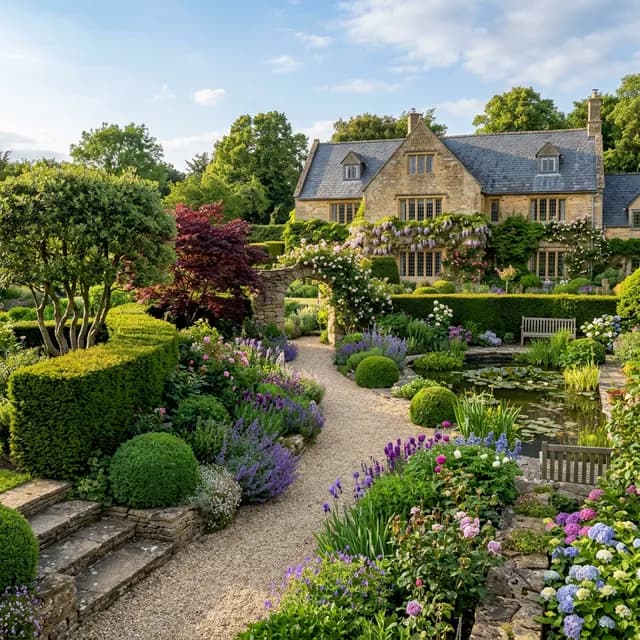
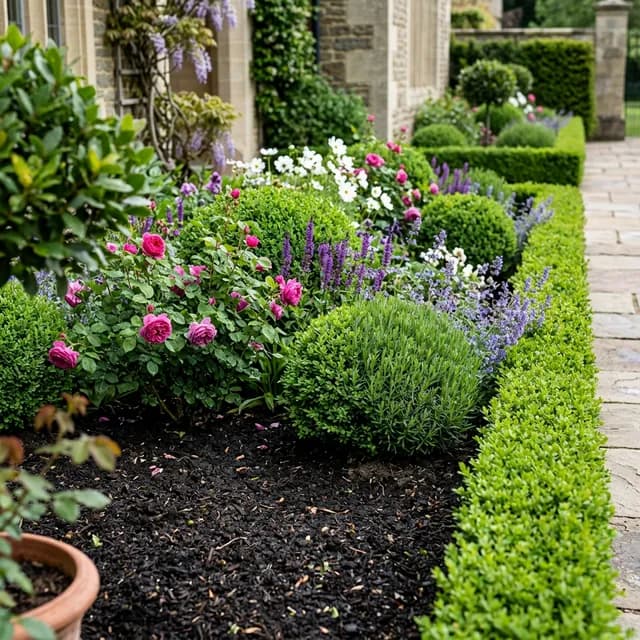
Lavender (Lavandula) is one of the most rewarding drought-tolerant plants you can introduce to a Southern California garden. Varieties like 'Provence' and 'Grosso' produce dense spikes of fragrant purple blooms from late spring through summer, attracting pollinators while requiring minimal supplemental irrigation once established. Plant lavender in full sun with well-draining soil, and you will be rewarded with silvery-green foliage that looks elegant even when the plant is not in bloom. Pair it with Russian Sage (Perovskia atriplicifolia) for a layered effect that feels both timeless and thoroughly Californian.
California natives for water-wise gardens
California native plants deserve special attention in any water-wise landscape plan. White Sage (Salvia apiana) and Cleveland Sage (Salvia clevelandii) are powerhouse performers that evolved to thrive in our exact growing conditions. Cleveland Sage produces waves of violet-blue flowers and aromatic foliage that releases a pleasant scent on warm evenings, making it ideal near patios and outdoor seating areas. For ground cover, Dymondia margaretae creates a dense, silver-green carpet that tolerates light foot traffic and requires almost no water once its root system matures - a perfect alternative to traditional lawn in low-use areas.
Movement and contrast: grasses and succulents
Ornamental grasses bring movement and softness to drought-tolerant designs. Deer Grass (Muhlenbergia rigens) is a California native that forms graceful, upright clumps of fine-textured foliage topped with slender flower spikes that catch the afternoon light. Mexican Feather Grass (Nassella tenuissima) adds a flowing quality to borders and mass plantings, though it should be used thoughtfully since it can self-seed in favorable conditions. At GreenPlace, we often combine these grasses with bold succulents like Blue Chalk Sticks (Senecio serpens) and Agave attenuata to create compositions that balance softness with sculptural drama.
High-impact bloom: bougainvillea
Bougainvillea remains one of the most spectacular flowering plants for Southern California properties. Available in shades ranging from hot pink and deep crimson to apricot and white, bougainvillea can be trained as a vine, hedge, or even a cascading ground cover on slopes. It thrives on neglect; in fact, overwatering can reduce flowering, making it an ideal choice for homeowners seeking maximum visual impact with minimal maintenance. We frequently use bougainvillea in coastal projects where its bold color provides a striking contrast against neutral stucco facades and natural stone hardscapes.
Sculptural specimens: succulents and trees
Succulents and cacti offer an entirely different design vocabulary. Aeoniums, with their rosette-forming foliage in shades of burgundy, chartreuse, and near-black, make exceptional container plants and border accents. Agave 'Blue Glow' is a favorite of our design team; its compact size, luminous blue-green leaves edged in red, and architectural silhouette make it a living sculpture in any setting. For larger properties, we often specify specimen-grade Dragon Trees (Dracaena draco) and Canary Island Date Palms (Phoenix canariensis) as focal points that anchor the landscape with a sense of permanence and grandeur.
Design note
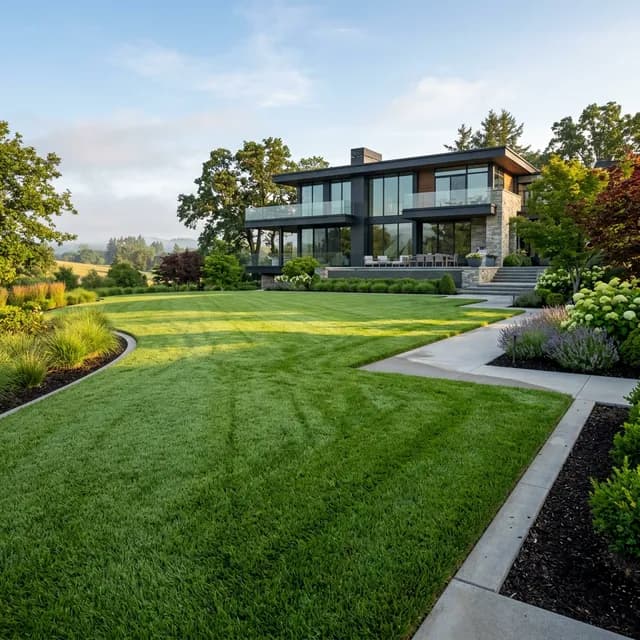
Aim for a few strong forms repeated across the garden. Let one or two specimen plants carry the composition, and use drought-tolerant texture as the supporting cast.
Make it perform
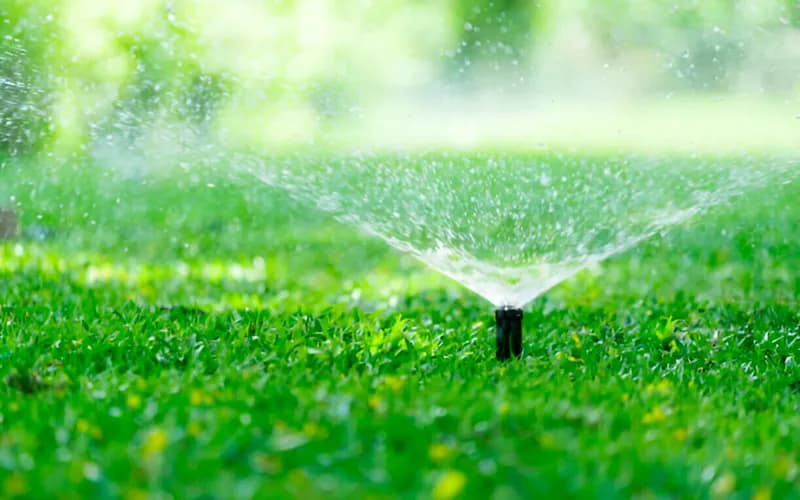
Transitioning to a drought-tolerant landscape does not mean sacrificing beauty or resale value. In fact, well-designed water-wise gardens are increasingly sought after by buyers in Orange County and Los Angeles, where sustainability aligns with premium lifestyle expectations. The key is thoughtful design: layering plants of varying heights and textures, incorporating natural stone mulch or decomposed granite pathways, and installing a smart drip irrigation system that delivers water exactly where and when it is needed. At GreenPlace, we guide our clients through every step of this transformation, ensuring that their new landscape is as beautiful as it is responsible.