How smart controllers, sensors, and zone programming reduce waste and improve plant health, with practical guidance on upgrades, rebates, and monitoring.
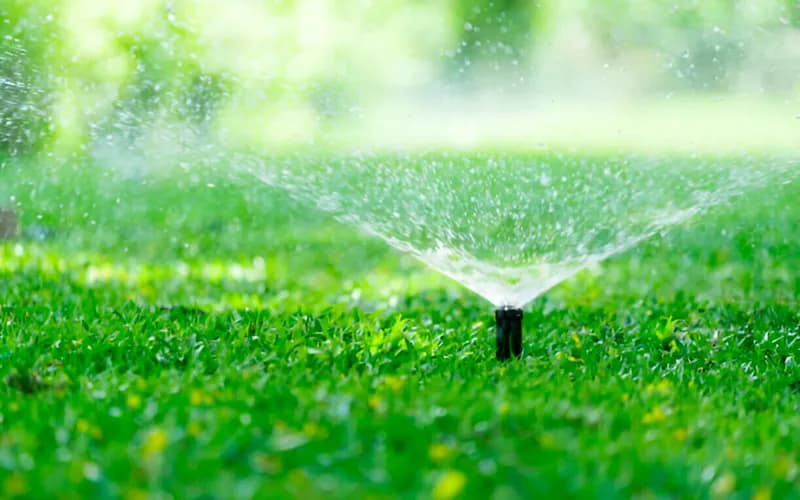
Water is the single most valuable resource in Southern California landscaping, and the way we deliver it to plants, lawns, and trees has a profound impact on both plant health and utility bills. Traditional irrigation systems operate on fixed schedules that ignore real-time conditions like rainfall, humidity, temperature, and wind. Smart irrigation changes this by using environmental data and algorithms to apply the right amount of water, exactly when and where it is needed.
Controllers: weather-responsive scheduling
At the core of most smart irrigation systems is a Wi-Fi-enabled controller that replaces your existing timer. Platforms from Rachio, Hunter Hydrawise, and Rain Bird pull hyperlocal weather data and automatically adjust schedules in real time. If rain is in the forecast, the system skips cycles. If a heat wave is approaching, it extends run times to compensate for increased evaporation. This approach alone can reduce outdoor water use by 20 to 30 percent compared to a fixed schedule.
Sensors: soil moisture feedback
Soil moisture sensors add another layer of intelligence. These probes, installed in the root zone, measure actual moisture content and transmit data to the controller. When the soil still holds adequate moisture, irrigation is delayed. When it dries to a threshold, watering resumes. This feedback loop prevents both overwatering and underwatering.
Zones: program by plant and exposure
Zone-based programming is where smart irrigation shines in complex landscapes. Different areas of a property have different water needs: a south-facing slope planted with succulents requires far less water than a shaded fern garden, and new sod needs different cycles than established turf. Smart controllers let you define zones by plant type, soil, sun exposure, and slope. The system then calculates a schedule for each zone independently, including cycle-and-soak on slopes to prevent runoff.
Where the savings come from
Most waste happens in the margins: extra minutes on a timer, watering during wind, watering right before rain, or zones that never matched plants. Smart systems fix these quietly, every day.
Installation and monitoring
Installation is straightforward for any licensed landscape contractor. In most cases, the smart controller is a direct swap for the existing timer using the same wiring and valves. Adding sensors and flow meters typically takes only a few hours. We also configure monitoring for maintenance clients so irrigation issues are identified and resolved proactively.